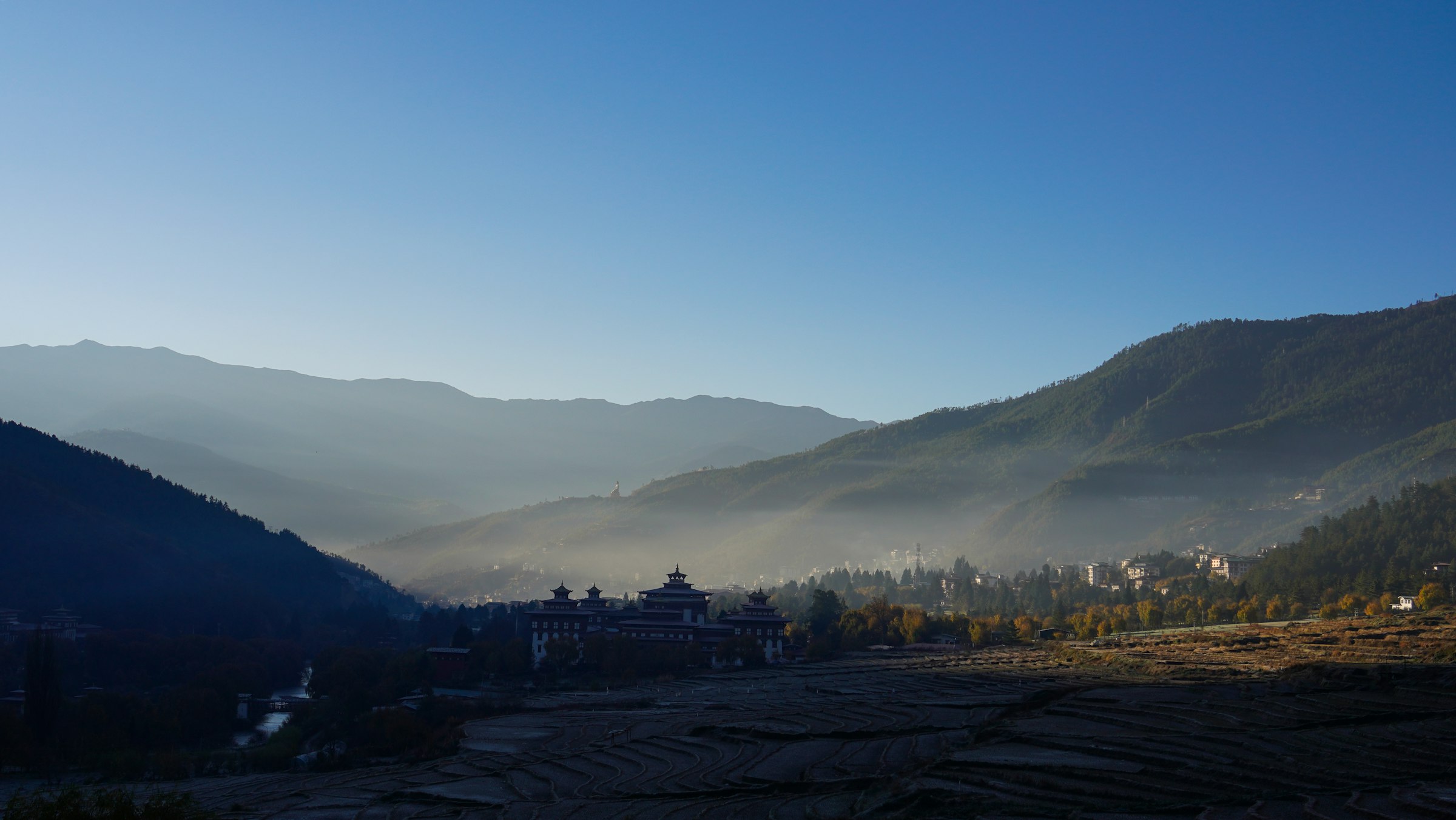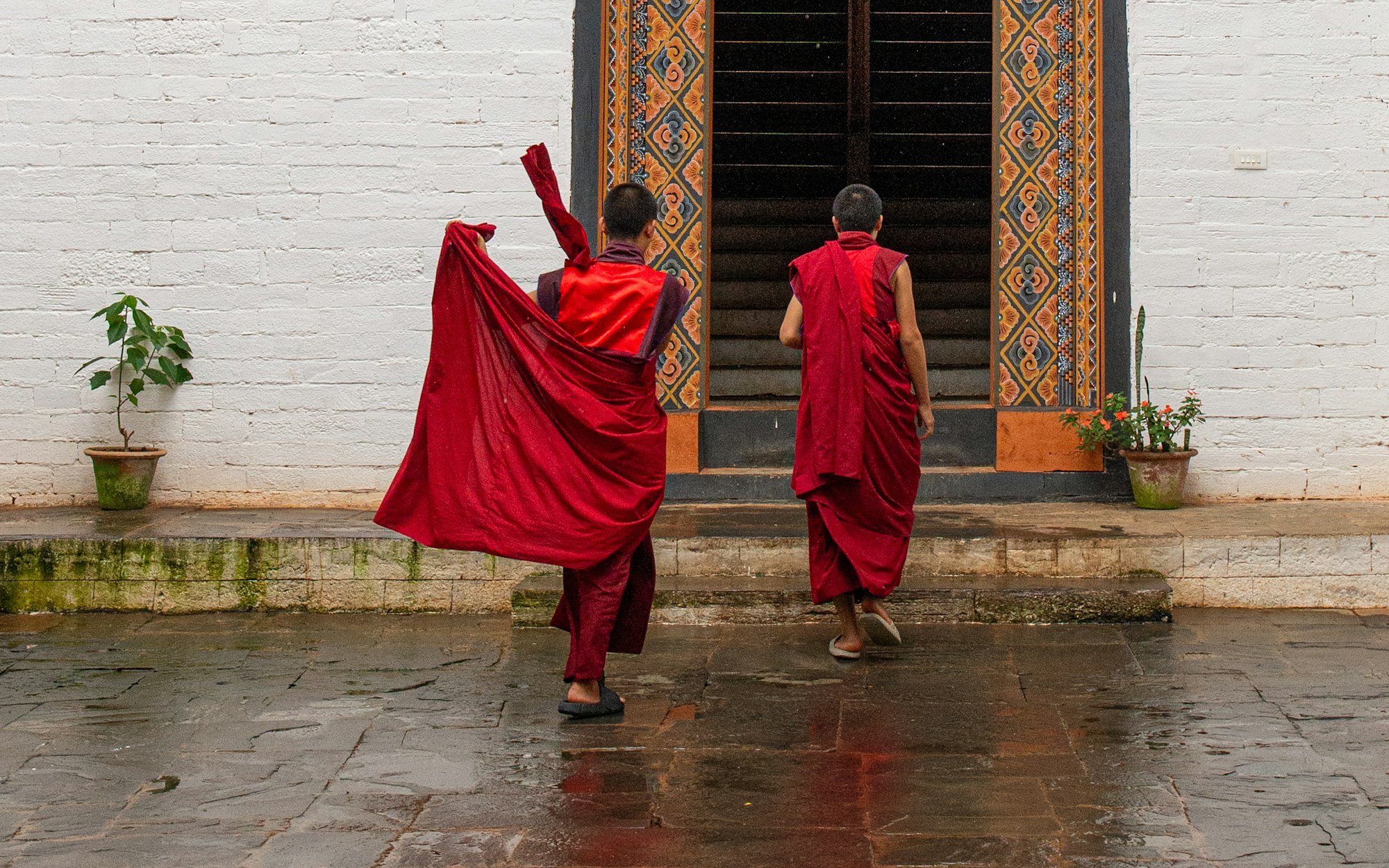
A tshechu is first and foremost a religious festival. Families come to receive blessings, meet friends and watch dances that have been performed for centuries. Visitors are warmly welcome, and a little preparation turns a colourful spectacle into one of the most meaningful days of your journey.
What a tshechu is
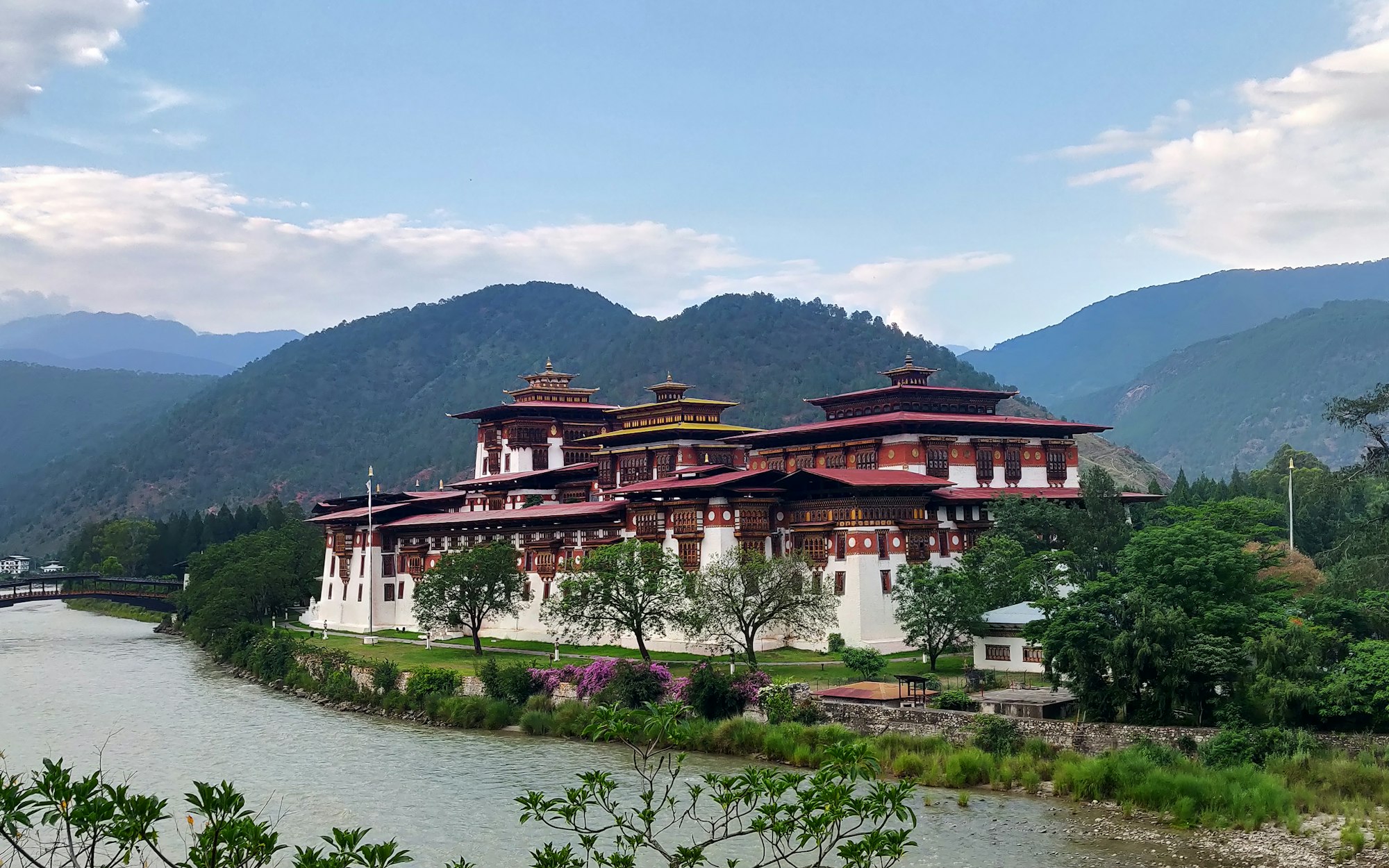
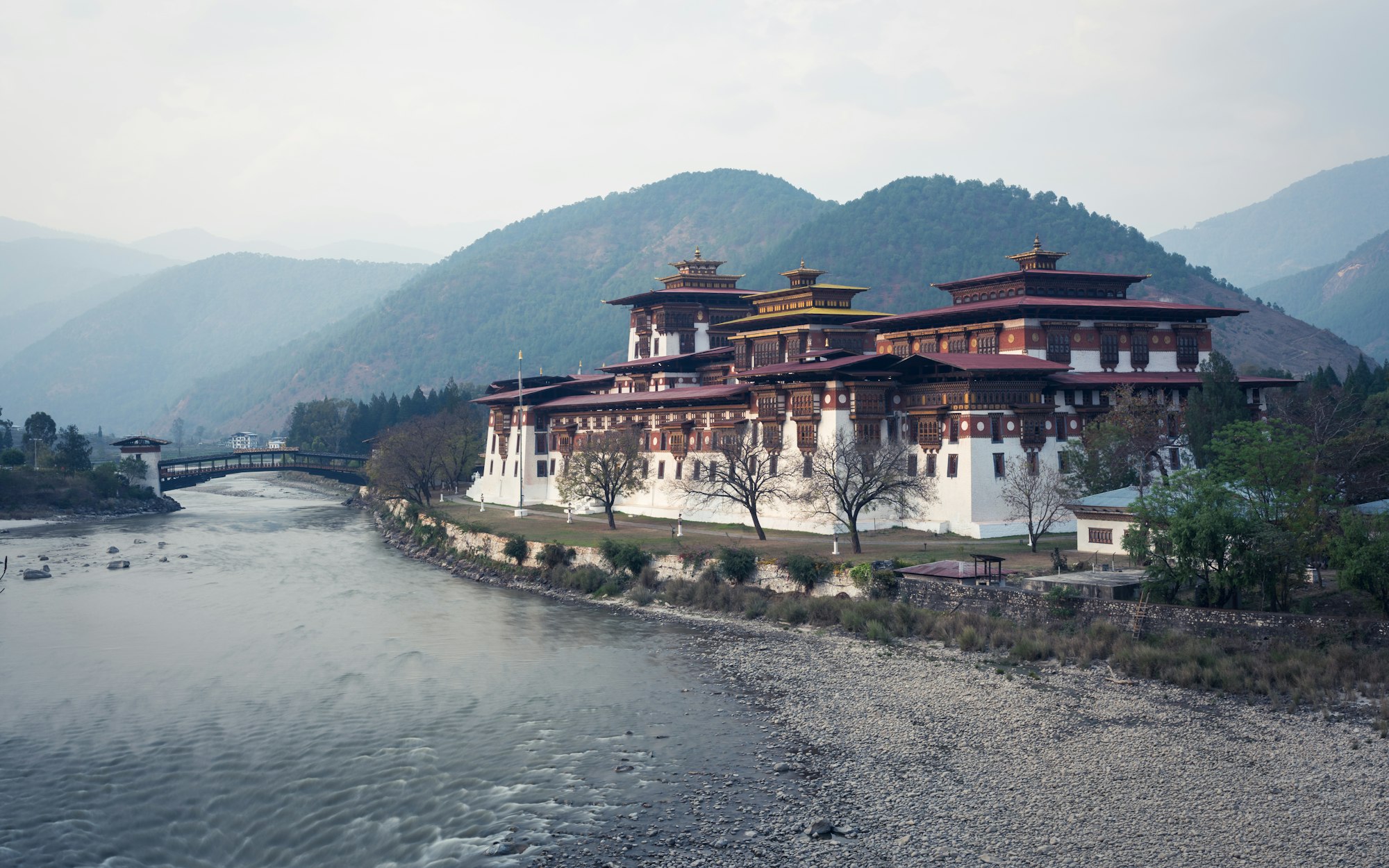
Tshechu means 'tenth day', and most tshechus are held around the tenth day of a month in the Bhutanese lunar calendar, a day associated with Guru Rinpoche. Each district holds its own, usually in the courtyard of its dzong, and many villages hold smaller festivals at their temples.
For Bhutanese families, attending is an act of faith: watching the sacred dances is believed to bring blessings and wash away the obstacles of the year. It is also the social event of the season, when people put on their finest clothes, share picnics and catch up with relatives they may not have seen for months.
The masked dances
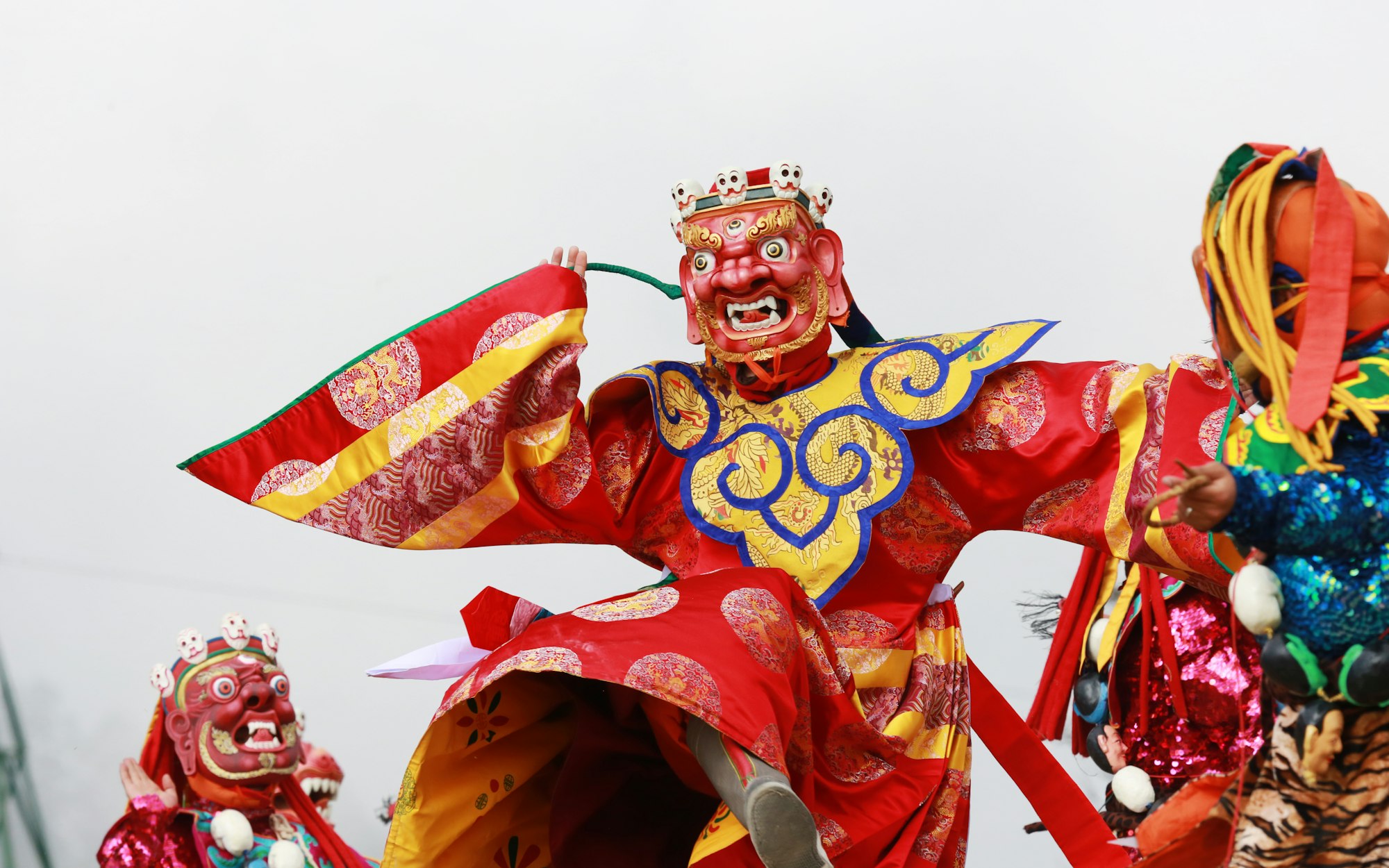
The dances, called cham, are performed by monks and by trained laymen, often in elaborate brocade costumes and carved wooden masks. Each dance tells a story or teaches a lesson, and many were composed centuries ago by great Buddhist masters. Some of the dances you may see include:
- The Black Hat dance, in which dancers in wide black hats purify the ground and subdue evil.
- The Dance of the Lords of the Cremation Ground, with skeleton masks, a reminder of impermanence.
- The Dance of the Stag and the Hounds, telling how the yogi Milarepa converted a hunter to Buddhism.
- The Dance of the Judgement of the Dead, in which the deeds of souls are weighed.
- The dance of the eight manifestations of Guru Rinpoche, one of the most sacred of all.
The atsaras
Between and during the dances you will meet the atsaras, masked clowns with red faces and long noses. They tease the crowd, mimic the dancers, crack jokes and keep order, and they often single out visitors for a little gentle fun. Laugh along; it is part of the blessing.
The thongdrel
At several festivals, including the Paro Tshechu, a giant appliqué thangka called a thongdrel is unrolled before dawn on the final day. It is so large that it covers the side of a building, and it is taken down again before the sun touches it. Seeing the thongdrel is believed to free the viewer from the cycle of rebirth, so the courtyard fills in the dark hours of the morning. It is worth the early start.
When and where
Festivals take place throughout the year, with the busiest seasons in spring and autumn. The best known are the Paro Tshechu in spring, the Thimphu Tshechu in autumn and the Punakha festivals in late winter, but smaller festivals in Bumthang and the villages are often more intimate. Dates follow the lunar calendar, so they change every year; our Bhutan festival dates 2027 page lists every festival for the coming year.
What to wear
Bhutanese people wear their finest gho and kira to a tshechu, and the courtyard is a sea of colour and silk. Visitors should dress modestly and smartly, with long sleeves and long trousers or a long skirt. Many visitors enjoy wearing national dress themselves; your guide can help you buy or rent a gho or kira and show you how to put it on, which takes practice.
Bring layers. Festival courtyards can be cold in the early morning and hot in the midday sun, and you may be sitting on stone steps for hours. A cushion or folded jacket to sit on is a good idea.
Small courtesies
- Never walk across the dance ground, even between dances.
- Do not stand in front of families sitting to watch; sit or stand where your guide suggests.
- Ask before photographing people, never use flash, and keep cameras low during the most sacred dances.
- Drones are not allowed without special permission.
- If you are offered food or a blessing, accept graciously; your guide will show you how.
- Keep your voice low during dances, and put your phone away during prayers.
A festival day, hour by hour
- Early morning: families arrive with picnic baskets and the courtyard fills with colour. On the last day of some festivals, the thongdrel is unveiled before sunrise.
- Mid-morning: the first masked dances begin to the sound of long horns, cymbals and drums.
- Midday: families share lunches on the grass, and the atsaras entertain the crowd between dances.
- Afternoon: more dances, and sometimes folk songs and dances by local groups.
- Late afternoon: the day ends with blessings, and people walk home in the evening light.
Photographing a festival respectfully
Festivals are among the most photogenic events in the world, and photography is generally allowed in the courtyards. The key is to remember that you are a guest at a religious ceremony. Stay back from the dance ground, never block the view of people sitting behind you, and avoid flash entirely. A zoom lens lets you capture the masks and costumes without intruding.
Ask before taking close portraits, especially of elderly people and monks, and accept a polite no. During the most sacred dances, and while the thongdrel is displayed, many visitors choose to put the camera away and simply watch. It is a good choice.
Making the most of the day
Arrive early to find a good place to sit and to watch the courtyard fill. Most festivals last three to five days, and two days is usually enough to see the main dances without tiring of the crowds. Ask your guide to explain each dance as it begins; knowing the story transforms what you see.
Hotels and flights fill early around the big festivals, so plan several months ahead if you can. Our Festival of Masks journey is built around the Paro Tshechu, and we can design a private journey around any festival on the calendar.
Frequently asked questions
What is a tshechu in Bhutan?
A tshechu is a Buddhist festival held in honour of Guru Rinpoche, usually around the tenth day of a lunar month. It features sacred masked dances performed in dzong and temple courtyards.
Can tourists attend Bhutanese festivals?
Yes. Visitors are welcome at tshechus, travelling with a licensed guide. Modest dress and respectful behaviour are expected.
What is a thongdrel?
A thongdrel is a giant religious painting in appliqué, unveiled at dawn on the last day of some festivals. Seeing it is believed to bring great blessings.
When is the Paro Tshechu?
The Paro Tshechu is held in spring, usually in March or April. In 2027 the tentative dates are 18 to 22 March, according to the Department of Tourism.

Written by
The Bhutan Travel Nexus team, Bhutan-based travel designers who plan private journeys across the kingdom. Facts were checked in ; fees and rules can change, so we confirm them when you book.