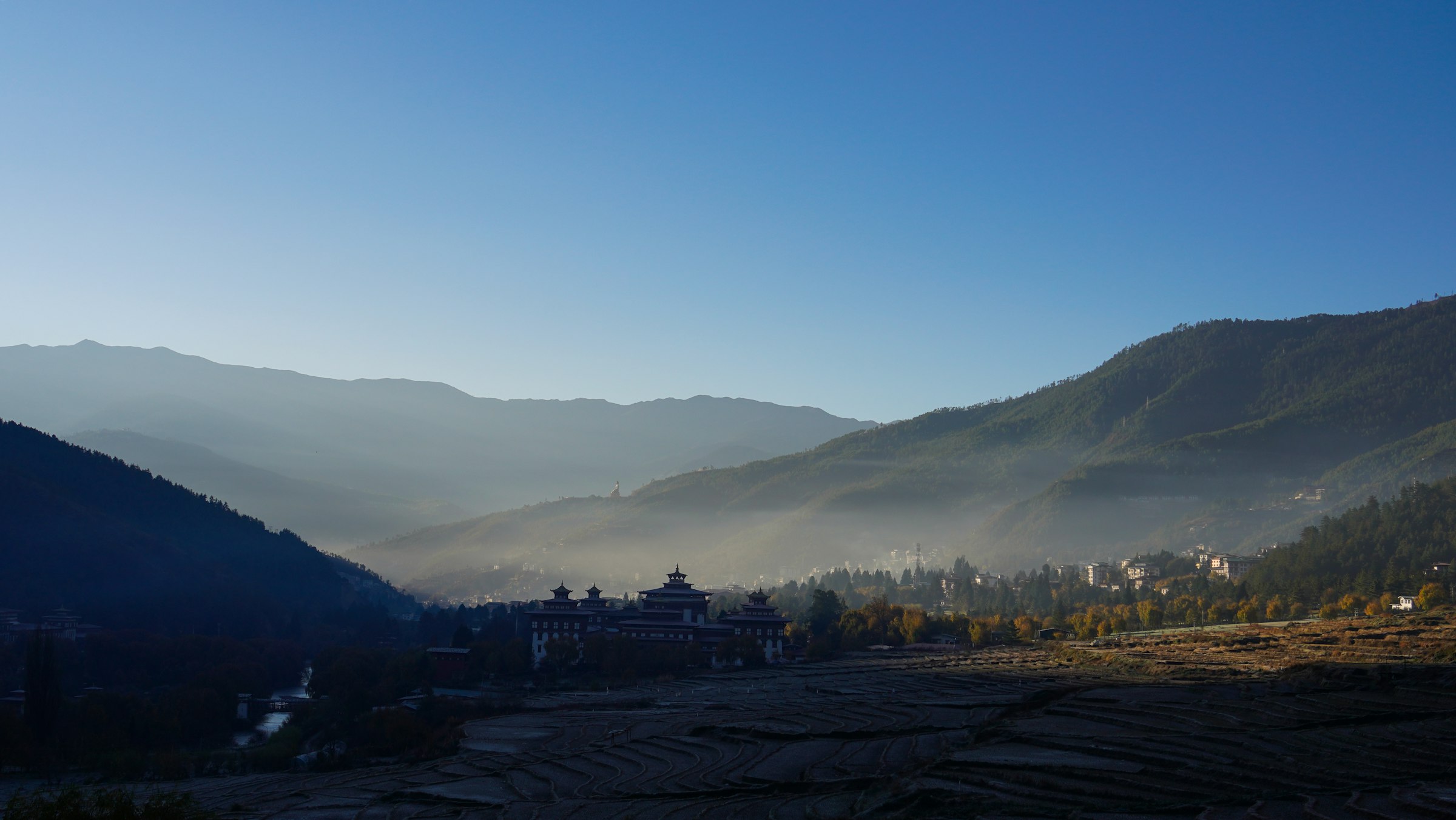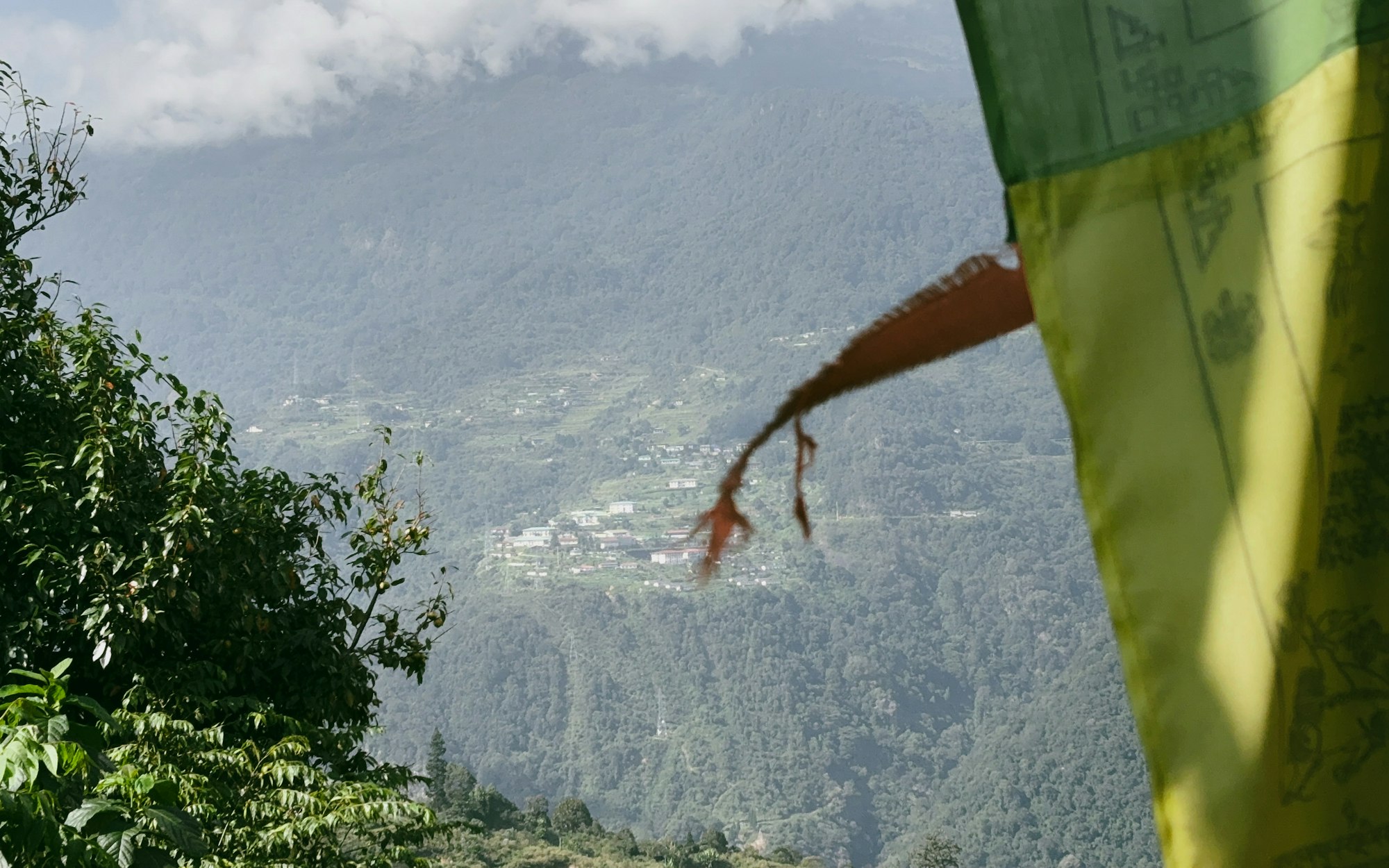
Bhutan is often described as the country that measures happiness. The idea is real, and it explains a great deal of what visitors notice: the forests, the quiet roads, the national dress worn to the office, and the way old customs still sit at the centre of daily life. Here is what Gross National Happiness is, where it came from, and what it means for you as a traveller.
Where the idea comes from
In the 1970s, the young Fourth King of Bhutan, Jigme Singye Wangchuck, said that Gross National Happiness was more important than Gross National Product. It was a striking thing for the ruler of a poor, newly opening country to say, and it became the guiding idea of Bhutan's development over the following decades.
The thinking was rooted in Buddhist values and in the country's circumstances. Bhutan wanted roads, schools and hospitals, but it had watched other Himalayan regions lose their forests, their cultures and sometimes their independence in the rush to modernise. GNH was a way of saying that growth should serve wellbeing, not the other way round.
The four pillars
Over time the idea was given a structure. Gross National Happiness rests on four pillars, which guide how the government makes decisions.
- Good governance: a government that is fair, accountable and close to the people. Bhutan became a democratic constitutional monarchy in 2008, a change the monarchy itself led.
- Sustainable and equitable socio-economic development: growth that reaches everyone and does not borrow from the future.
- Preservation and promotion of culture: language, dress, architecture, festivals and the arts kept alive as part of everyday life.
- Environmental conservation: forests, rivers and wildlife protected as the foundation of the country's future.
How happiness is measured
GNH is not a single question about whether people feel happy. Bhutan's GNH Index, developed by the Centre for Bhutan Studies, looks at nine domains of life: psychological wellbeing, health, education, time use, cultural diversity and resilience, good governance, community vitality, ecological diversity and resilience, and living standards.
Large national surveys ask people about each domain, and the results are combined to show who is doing well and where the country is falling short. The point is not a headline score but a map of where policy should focus, from rural incomes to the time families have together.
GNH in the constitution and in policy
Bhutan's 2008 constitution asks the state to promote the conditions that allow its people to pursue happiness, and it requires that at least 60 per cent of the country remain under forest for all time. Today around 70 per cent of Bhutan is forested, and the country absorbs more carbon dioxide than it emits, which is why it is often described as carbon negative.
New policies are traditionally screened for their effect on GNH. The idea also reached the wider world: Bhutan helped bring wellbeing onto the agenda of the United Nations in the early 2010s, a conversation that led to the International Day of Happiness, marked every year on 20 March.
What you will notice as a visitor
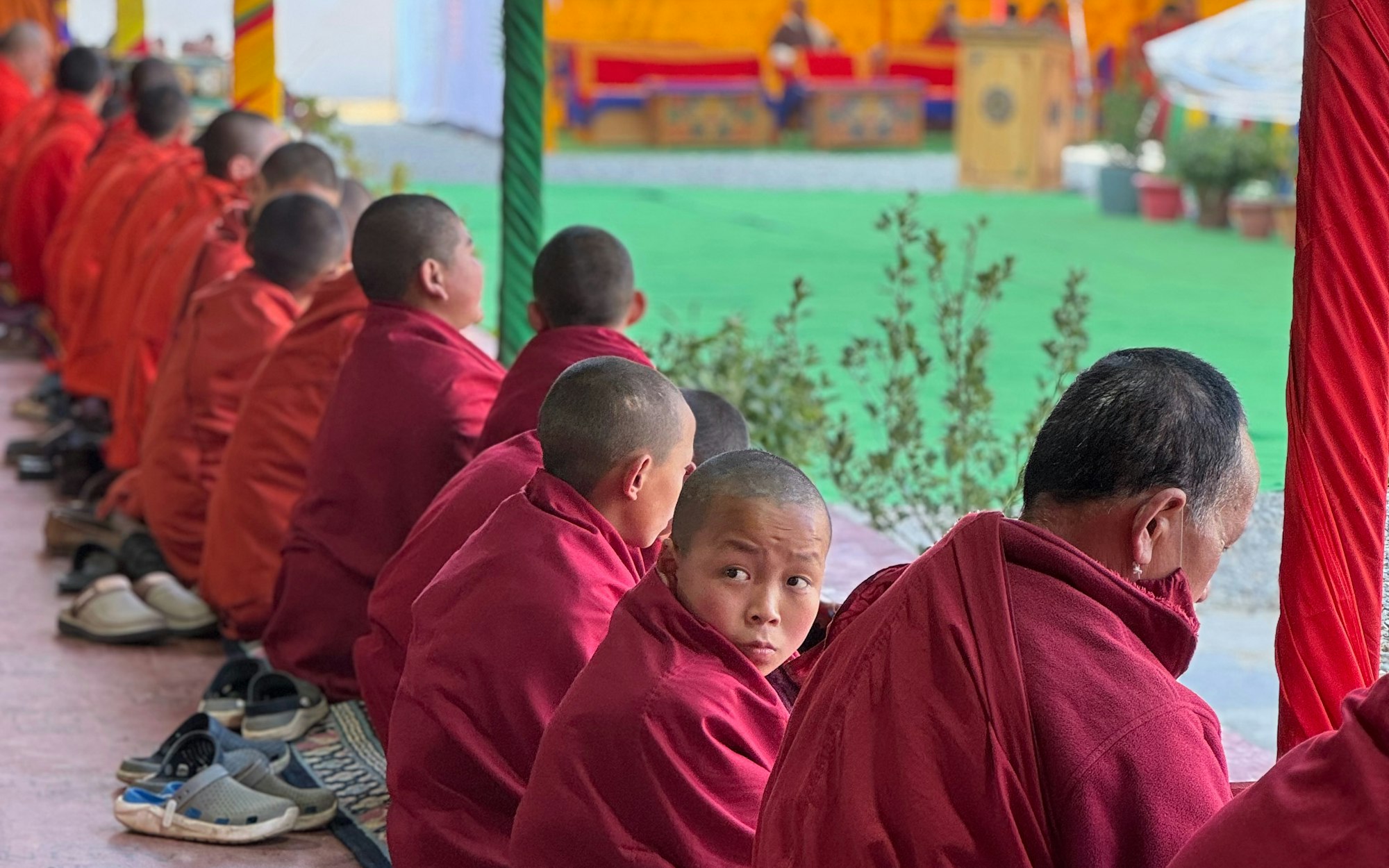
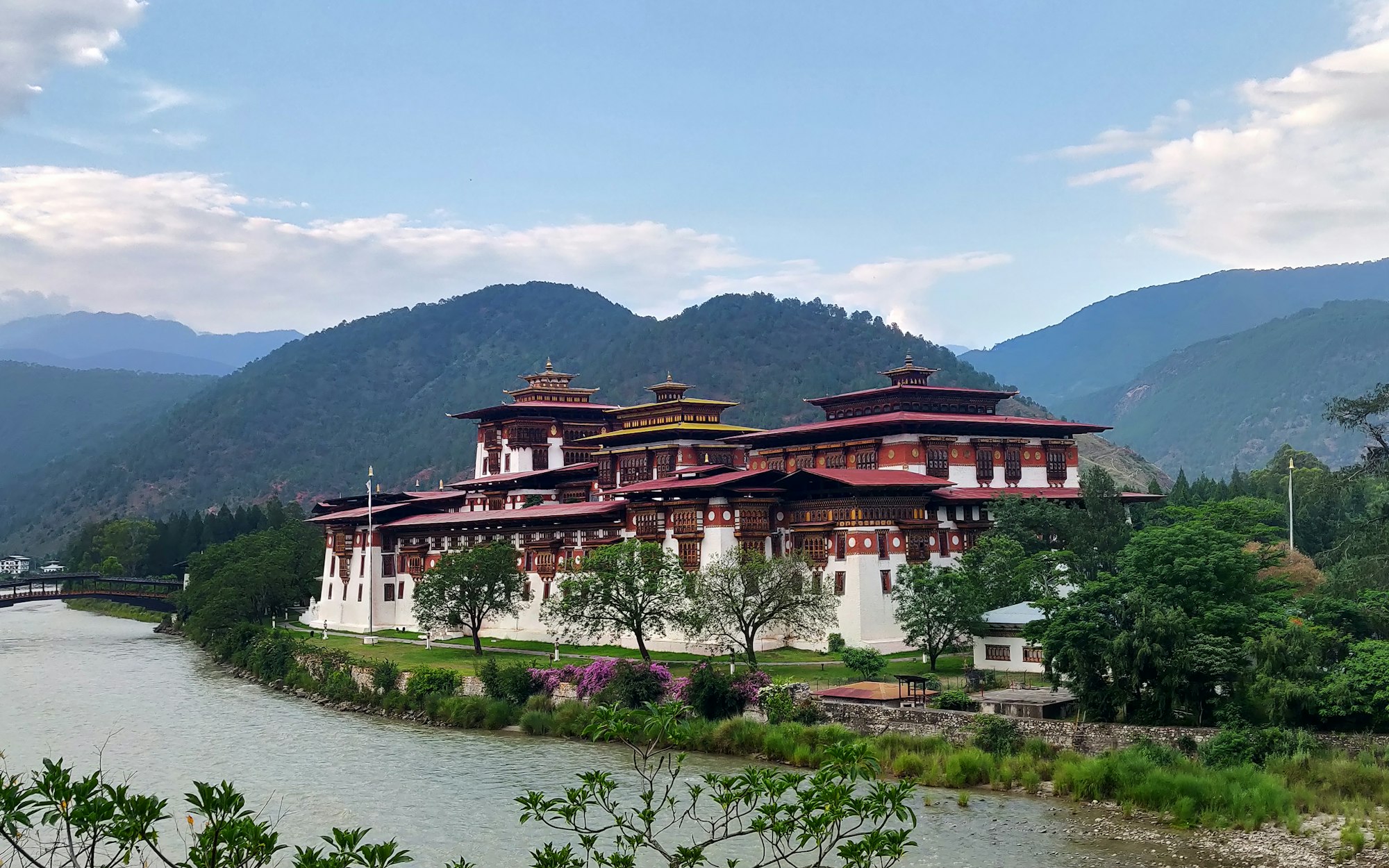
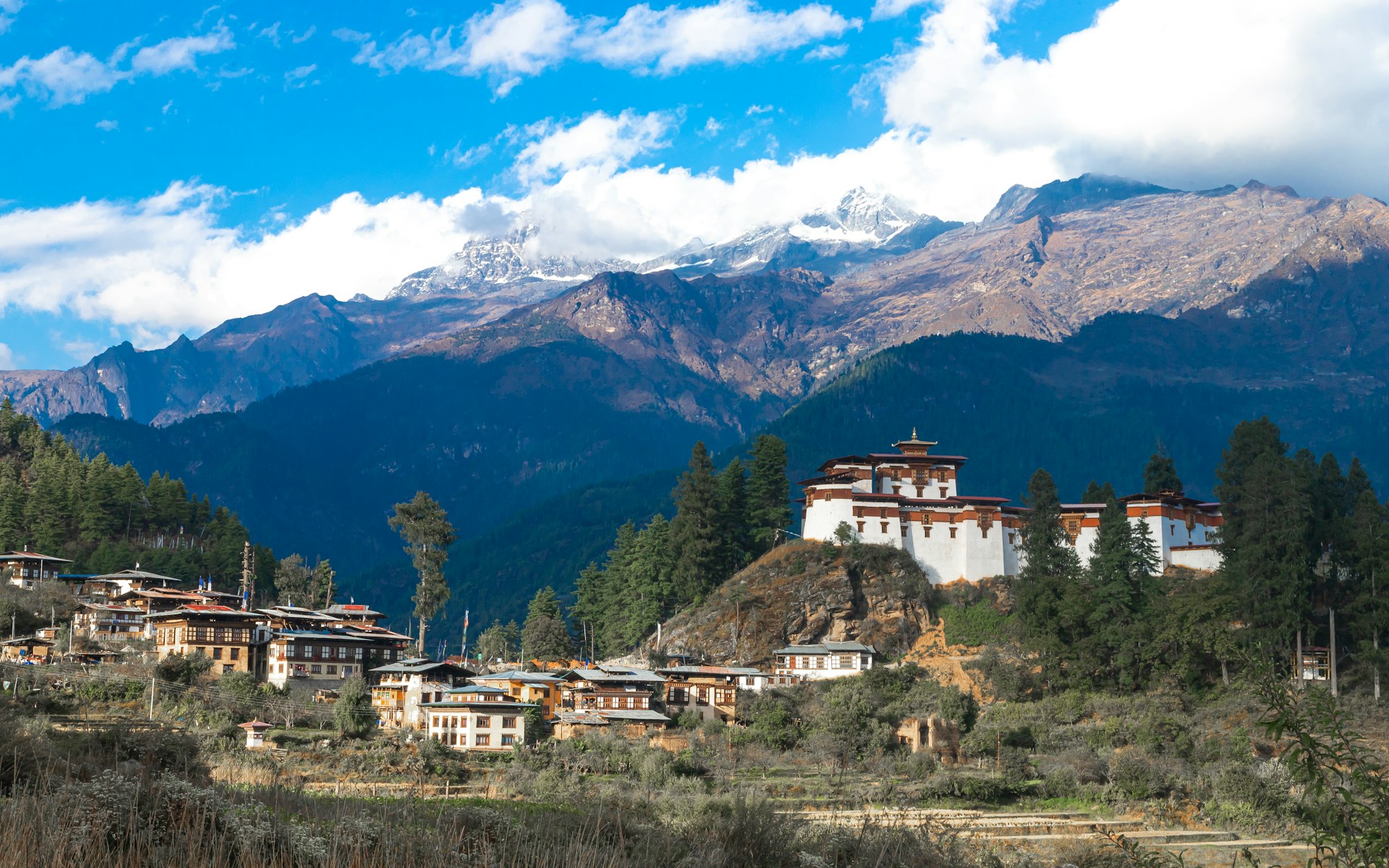
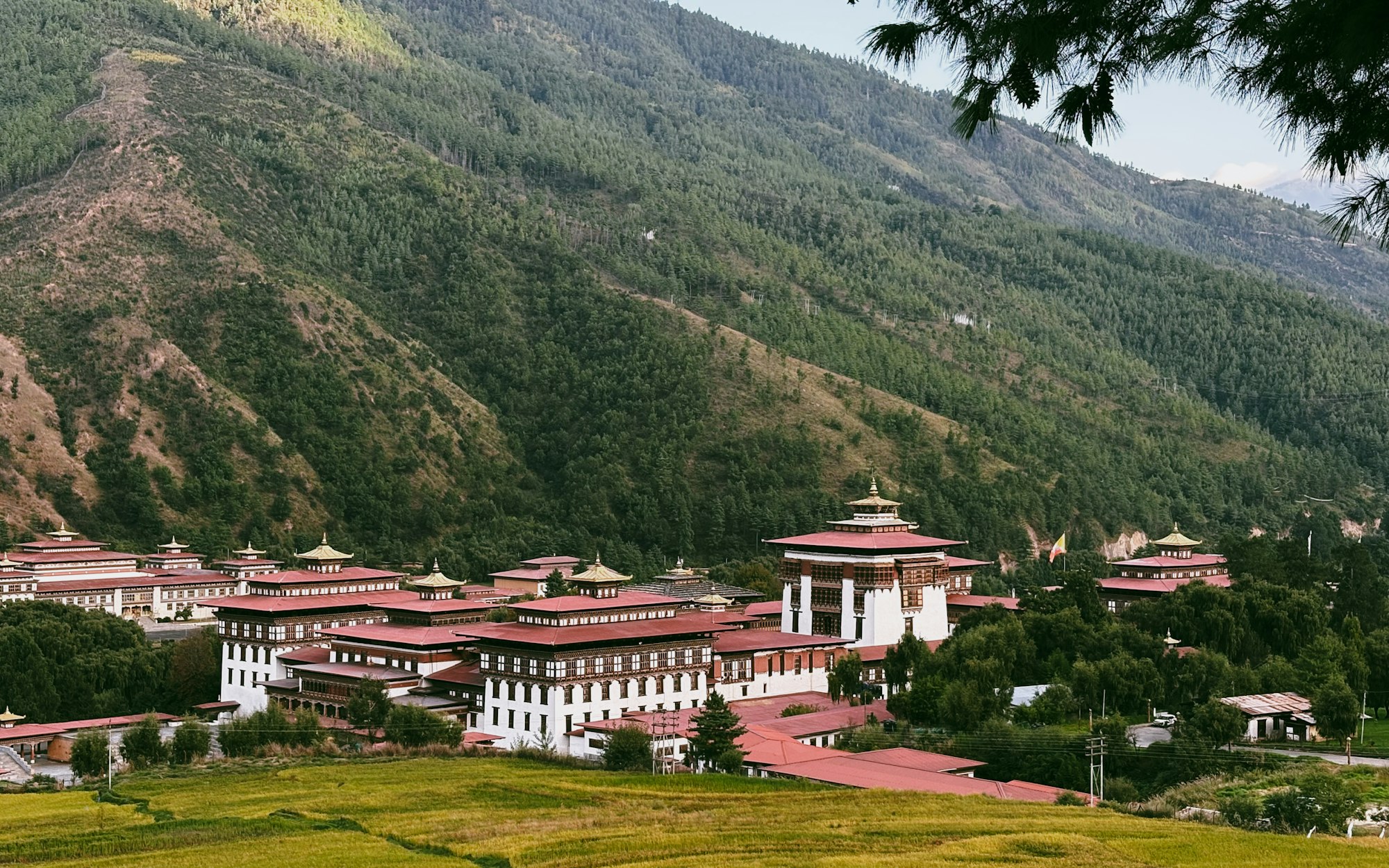
You do not need to read policy documents to see GNH at work. Drive from Paro to Punakha and you pass through hour after hour of forest. Every building, from a ministry to a petrol station, follows traditional design rules. Office workers wear the gho and kira, national dress, and archery matches still bring whole villages together at weekends.
Healthcare and education are free for Bhutanese citizens, and many of the people you meet will talk openly about family, faith and community. None of this means Bhutan has no problems; young people move to towns looking for work, and the country is changing quickly. But it is changing on its own terms, and that is what makes it so interesting to visit.
Tourism the GNH way
Bhutan's approach to tourism follows the same thinking, often summed up as 'high value, low volume'. Rather than encouraging mass tourism, the country welcomes travellers who come to understand it, travel with licensed local guides and stay long enough to contribute.
Every visitor pays a Sustainable Development Fee for each night in the country. At the time of writing it is US$100 per adult per night, a rate set until 31 August 2027, with reduced rates for children. The fee funds free healthcare and education, conservation, and the country's commitment to remaining carbon negative. It is included in the price we quote, and it is one of the main reasons Bhutan's monasteries, forests and festivals feel so unspoilt.
Travelling in the same spirit
The best way to experience Bhutan is to slow down. Choose fewer places and stay longer in each valley. Walk between villages instead of driving. Sit with families at a festival, share butter tea in a farmhouse kitchen, and ask your guide the questions you are curious about; Bhutanese guides are usually delighted to talk about their country.
That is why every Bhutan Travel Nexus journey is private and built around your pace rather than a fixed schedule. A journey shaped this way is better for you, and better for the places you visit.
Common misconceptions
- 'Everyone in Bhutan is happy.' GNH is a goal and a way of measuring progress, not a claim that the country has no problems. Bhutanese people talk openly about unemployment, migration to towns and the pressures of modern life.
- 'Tourists are kept out.' Bhutan welcomes visitors; it simply asks them to travel with licensed guides and to contribute through the Sustainable Development Fee.
- 'GNH means rejecting modern life.' Bhutan has mobile networks, internet, hydropower and a growing digital economy. The aim is to modernise without losing what matters.
- 'Happiness is measured by one question.' The GNH Index looks at nine domains of life through detailed national surveys, not a single happiness score.
Where you can see it on your journey
GNH is easiest to understand in small moments rather than at any one sight. A morning walk around the Memorial Chorten in Thimphu, where elderly residents circle the stupa in prayer, shows the place of faith in daily life. A visit to the National Institute for Zorig Chusum shows how traditional arts are taught to a new generation. An evening at a farmhouse, sharing a meal and a hot-stone bath, shows the warmth of rural community.
Ask your guide to include a village walk or time at an archery ground on a weekend. These are the places where the idea of Gross National Happiness stops being a policy and becomes a way of life.
Small things you can do
- Dress modestly when visiting dzongs and temples, with long sleeves and long trousers or skirt.
- Ask before photographing people, and never inside temples.
- Buy crafts directly from weavers and artisans, so the money stays with the makers.
- Carry a refillable bottle; plastic waste is a real problem in mountain valleys.
- Walk clockwise around chortens and prayer wheels, and follow your guide's lead at sacred sites.
Frequently asked questions
What is Gross National Happiness?
Gross National Happiness is Bhutan's approach to development, which judges progress by the wellbeing of its people rather than by economic growth alone. It rests on four pillars: good governance, sustainable development, cultural preservation and environmental conservation.
Who came up with Gross National Happiness?
The phrase is attributed to the Fourth King of Bhutan, Jigme Singye Wangchuck, who said in the 1970s that Gross National Happiness was more important than Gross National Product.
Is Bhutan the happiest country in the world?
Bhutan does not claim to be the happiest country. It measures wellbeing through its own GNH Index to guide policy, and it faces real challenges like any country.
How does Gross National Happiness affect tourists?
It shapes Bhutan's 'high value, low volume' tourism. Visitors travel with licensed guides and pay a nightly Sustainable Development Fee that funds healthcare, education and conservation.

Written by
The Bhutan Travel Nexus team, Bhutan-based travel designers who plan private journeys across the kingdom. Facts were checked in ; fees and rules can change, so we confirm them when you book.