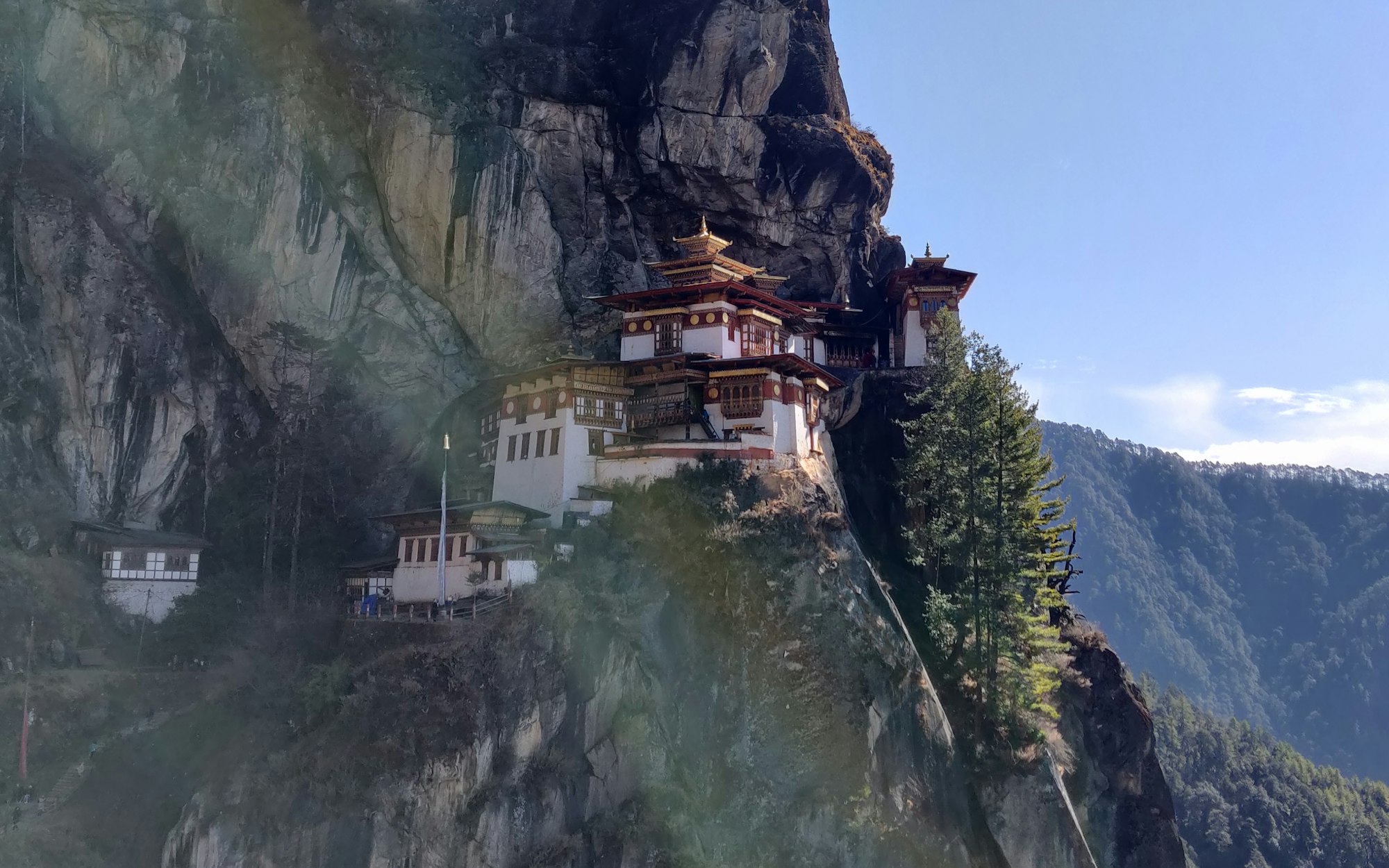
Paro Taktsang, the Tiger's Nest, is the image most people have of Bhutan: a monastery built into a sheer cliff some 900 metres above the Paro valley. Reaching it on foot is one of the great short walks of the Himalaya, and for many travellers it is the highlight of the whole journey. Here is everything you need to know before you go.
The story of Taktsang
Bhutanese tradition says that in the eighth century Guru Rinpoche, who brought Buddhism to the Himalaya, flew to this cliff on the back of a tigress to subdue a local demon, and then meditated in a cave here. The name Taktsang means 'tiger's lair'.
The cave became one of the most sacred places in Bhutan, and the monastery around it was founded in 1692. In 1998 a fire destroyed much of the main building; it was carefully rebuilt in the traditional way and reconsecrated by 2005. What you see today is a living monastery, home to monks and visited by Bhutanese pilgrims from across the country.
The walk, step by step
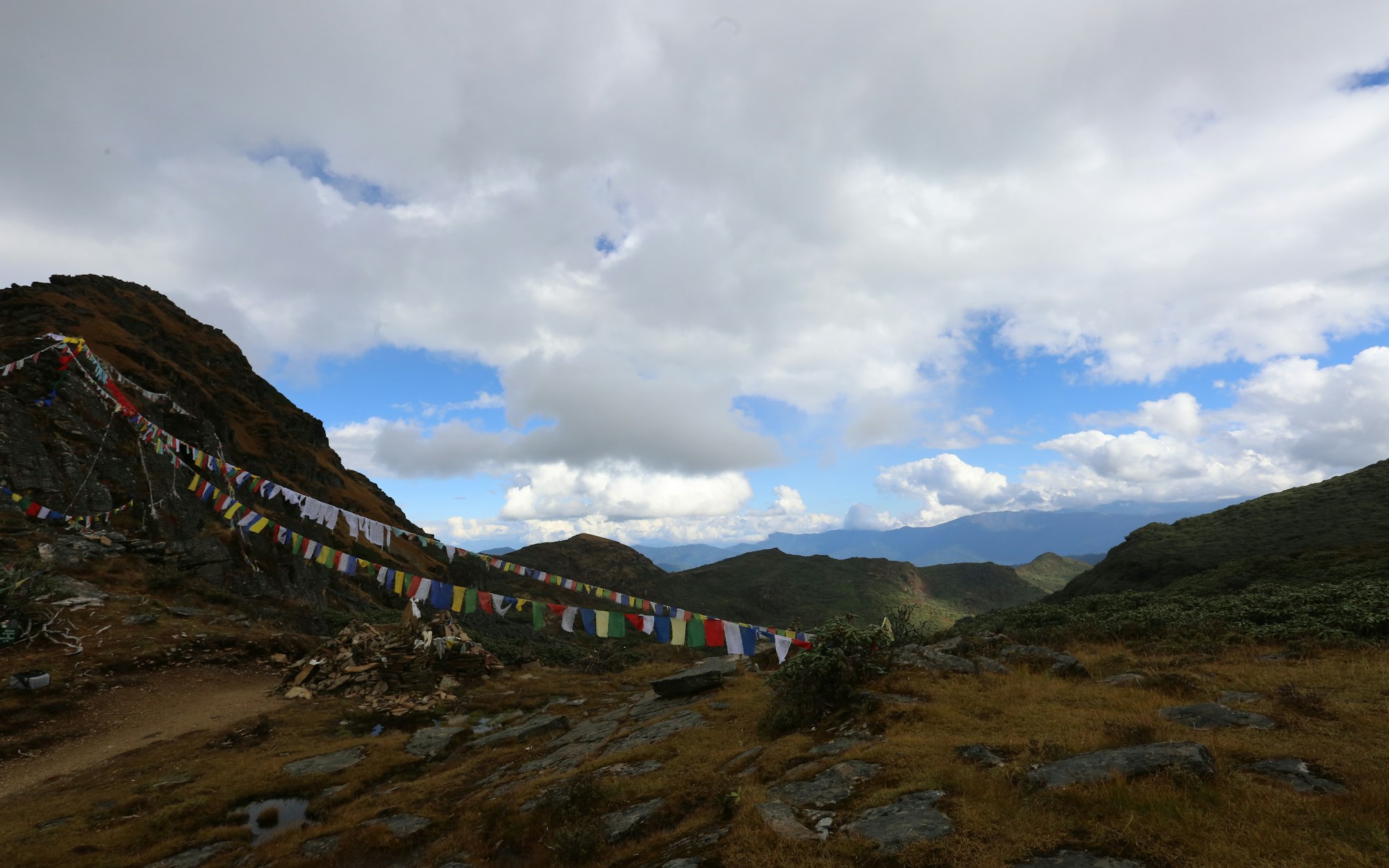
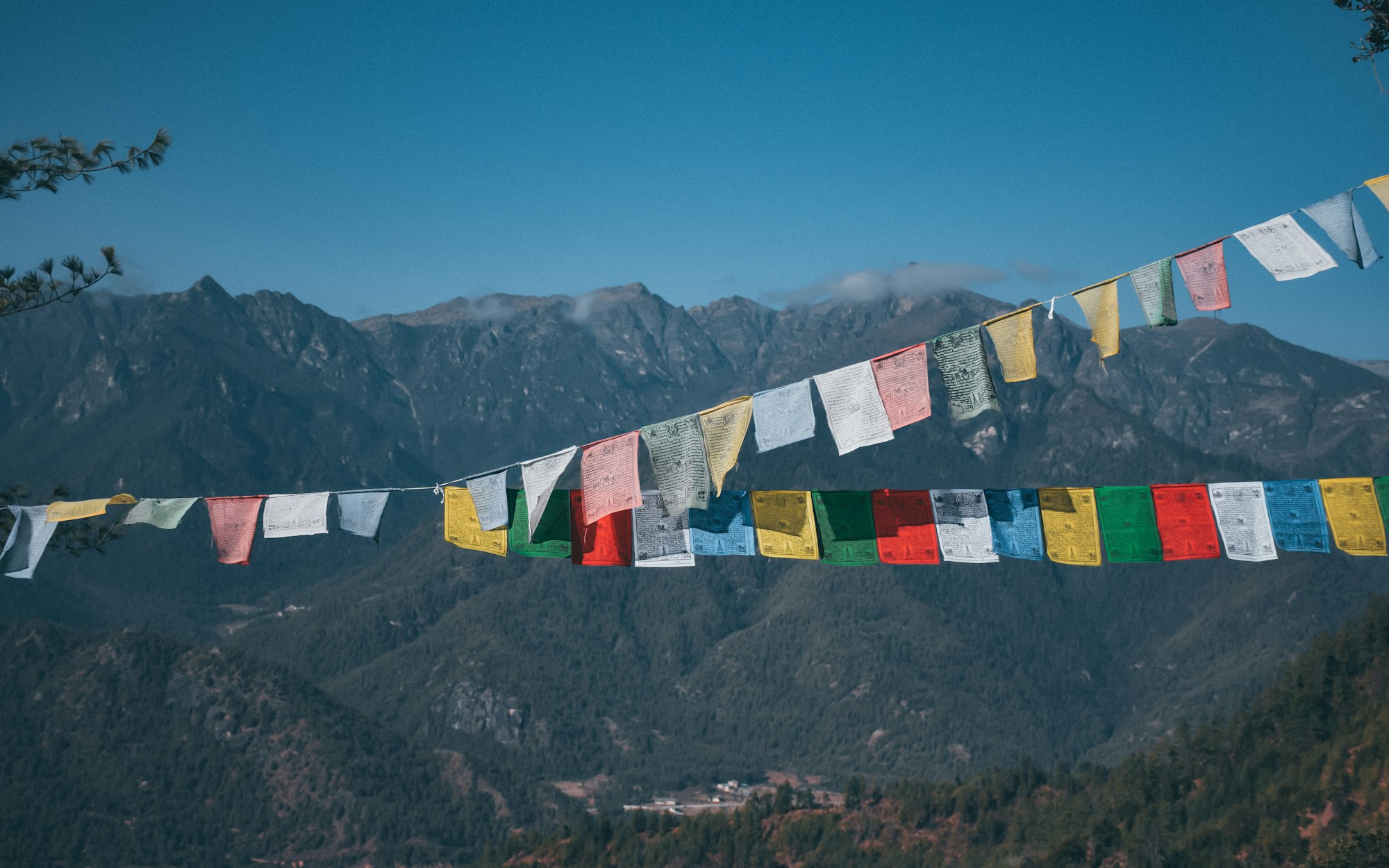
The trail starts from a car park in the pine forest at the foot of the cliff, at around 2,600 metres. For the first hour or so it climbs steadily through blue pine and oak, hung with moss and prayer flags, with small prayer wheels turned by streams.
About halfway up is a cafeteria with a terrace facing the monastery, where many people stop for tea and the first full view. It is a good place to judge how you feel; some visitors decide this view is enough, and that is perfectly fine.
From the cafeteria the path continues to a viewpoint almost level with the monastery, across a narrow gorge. The final section descends a long flight of steps to a bridge beside a waterfall, then climbs again to the monastery gate. These steps are the hardest part for many people, and you will climb them again on the way back.
How hard is it?
The hike is a steady uphill walk on a well-made path, not a climb. Most reasonably active people manage it comfortably at their own pace, with rests. The challenges are the length of the ascent and the altitude, which makes you breathe harder than you would at home.
If you walk regularly at home, you will enjoy it. If you have knee, heart or breathing problems, talk to your doctor before you travel, and tell us; we can arrange a horse for part of the way up and plan a slower day. Horses go up only as far as the cafeteria, and everyone walks down.
When to go
We start early, usually leaving the hotel soon after breakfast, to walk in the cool of the morning and arrive before the midday crowds. The light on the monastery is often best in the morning, and the cloud that sometimes gathers around the cliff tends to build in the afternoon.
Spring and autumn bring the clearest weather. The trail is open all year, but it can be muddy in the summer monsoon and icy in places after winter snow. We usually place the hike near the end of your journey, once you have spent a few days in the valleys and are used to the altitude.
Inside the monastery
Taktsang is a cluster of temples built at different levels into the rock, connected by stairways and small courtyards. Your guide will take you through the shrines, including the cave associated with Guru Rinpoche, and explain the paintings and statues.
Bags, cameras and phones must be left in lockers at the entrance, and photography is not allowed inside. Visitors need to be properly dressed, with long sleeves and long trousers or a long skirt, and hats are removed. Speak quietly; monks are often at prayer.
What to bring
- Comfortable walking shoes or light boots with good grip
- Water and a snack; there is no food above the cafeteria
- Sun protection: hat, sunglasses and sunscreen
- A light warm layer and a rain jacket; the weather changes quickly
- Long sleeves and long trousers or skirt for entering the temples
- A small amount of cash for the cafeteria and for offerings
- Walking poles, which help a great deal on the descent
Tips from our guides
- Walk slowly from the start; it is not a race, and a steady pace is far easier at altitude.
- Drink water regularly, even if you do not feel thirsty.
- Take the horse option seriously if you are unsure; there is no shame in it.
- Allow time at the top. Sitting quietly in the courtyard is part of the experience.
- Keep the afternoon free; most people are happily tired after the hike.
More sacred sites around Paro
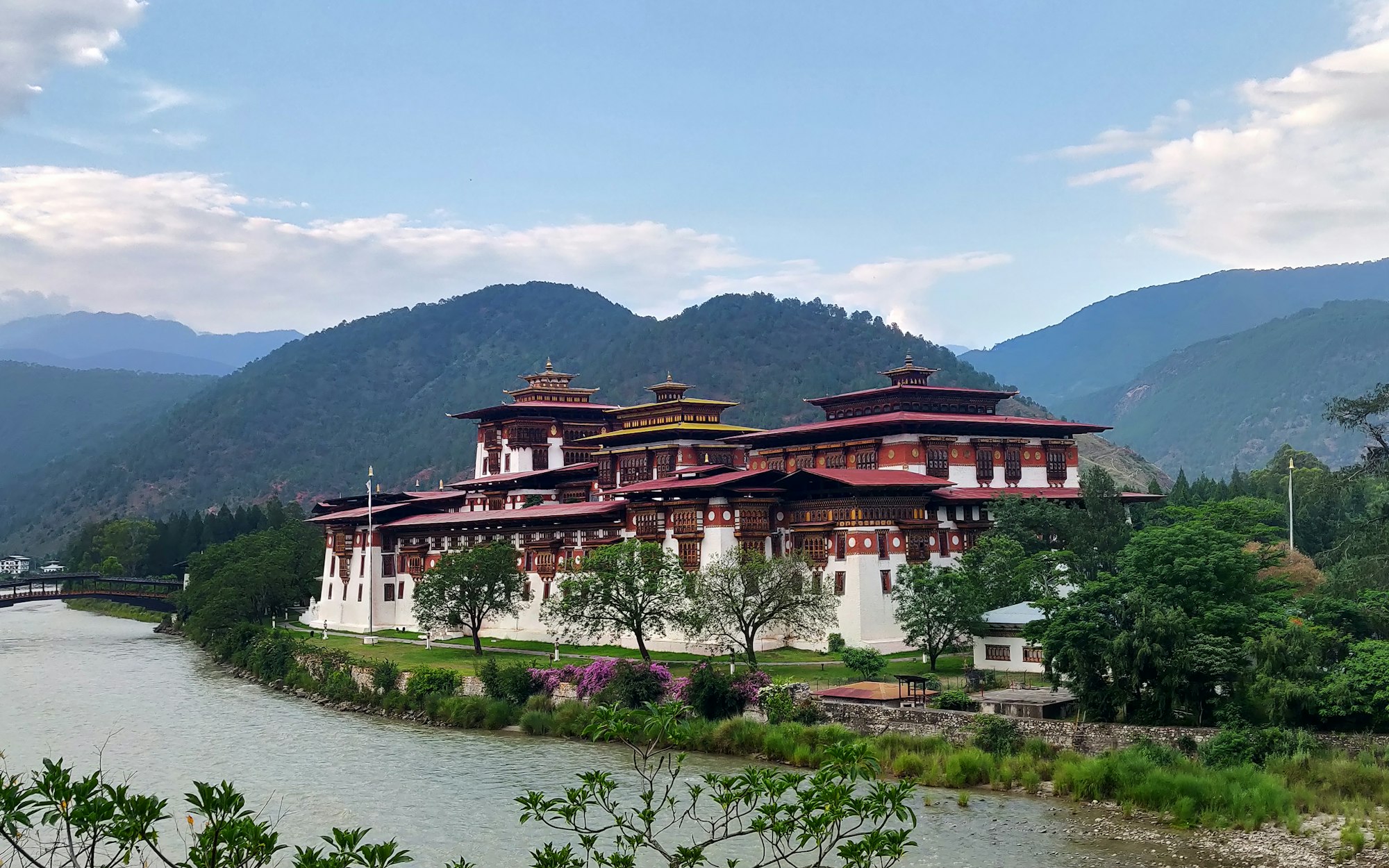
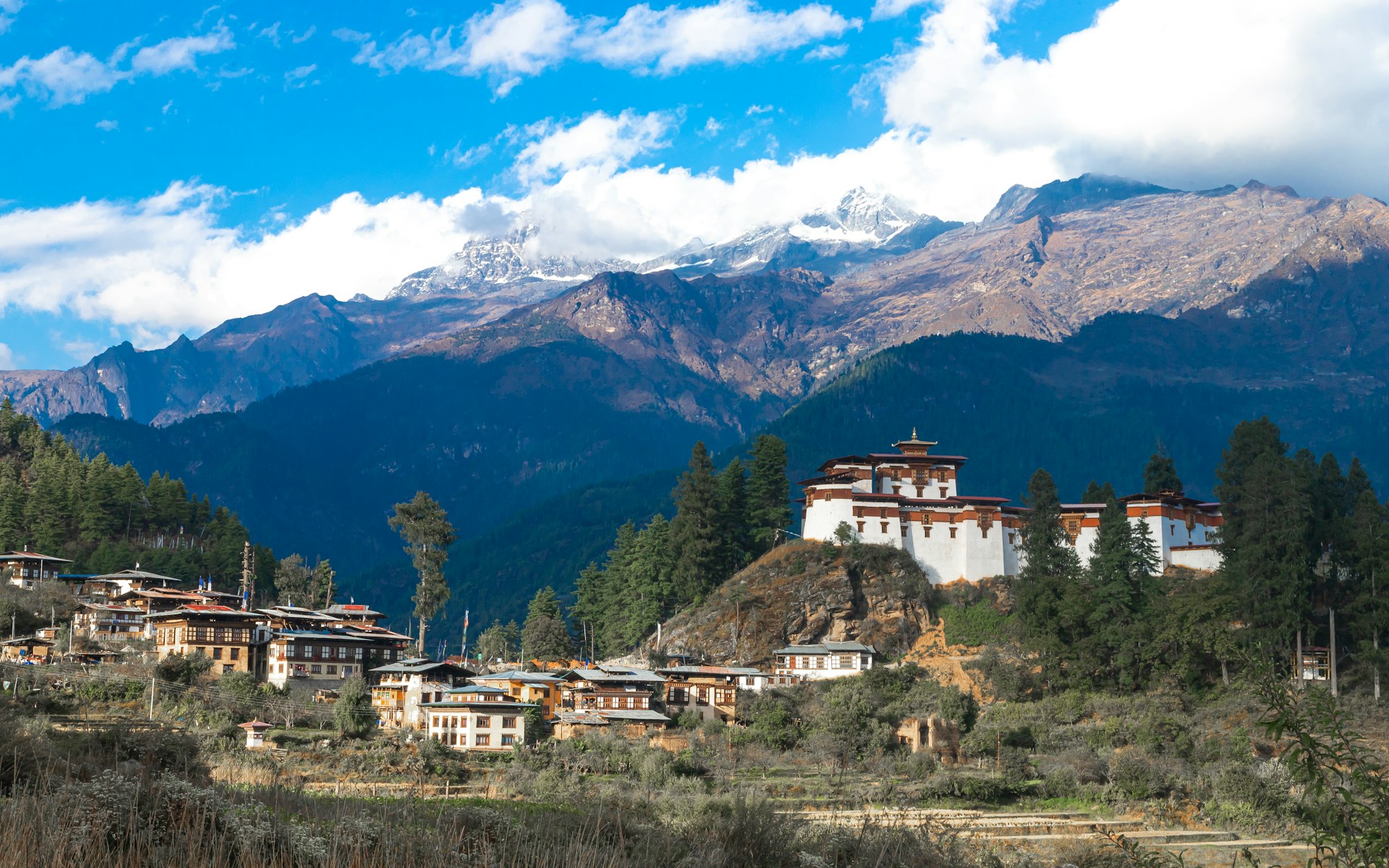
Taktsang is the most famous, but the Paro valley is full of sacred places, and some are worth adding to your days. Kyichu Lhakhang, near the road to Taktsang, is one of the oldest temples in Bhutan, said to date from the seventh century. Across the valley, the cliffside temples of Dzongdrakha are sometimes called the 'little Tiger's Nest', and are reached by a short, pleasant walk.
For keen walkers, the hike from the Ta Dzong to Zuri Dzong gives wide views over Paro, and the overnight Bumdra trek climbs above Taktsang to a cliffside monastery and a camp in the high meadows.
Photography on the trail
- The classic views are from the cafeteria terrace and from the viewpoint opposite the monastery, before the final steps.
- Morning light usually falls on the monastery; by afternoon cloud often gathers on the cliff.
- A moderate zoom lens helps, but a phone camera captures the scale of the cliff beautifully.
- Remember that cameras and phones stay in the lockers once you enter the monastery.
Combining the hike with your journey
Almost every journey we design includes Taktsang, and we plan the days around it: a gentle day before, an evening hot-stone bath or a quiet dinner after. For trekkers, the hike is excellent preparation for the Druk Path and other high routes. If you have only a few days, we will still find the right morning for it.
Frequently asked questions
How long does the Tiger's Nest hike take?
Most people take four to six hours for the round trip, including time inside the monastery and a stop at the cafeteria.
How hard is the Tiger's Nest hike?
It is a steady uphill walk of roughly 500 to 700 metres of climbing on a good path, with no technical sections. Reasonably active people manage it at their own pace; the altitude is the main challenge.
Can you ride a horse to Tiger's Nest?
Horses can carry visitors uphill as far as the cafeteria, about halfway. Everyone walks the final section and the descent.
Can you take photos inside Tiger's Nest?
No. Cameras and phones are left in lockers at the entrance, and photography is not allowed inside the temples. The best photos are from the trail and the viewpoint.

Written by
The Bhutan Travel Nexus team, Bhutan-based travel designers who plan private journeys across the kingdom. Facts were checked in ; fees and rules can change, so we confirm them when you book.