Bumthang is where Bhutan's Buddhist story begins. In these four high valleys in the centre of the country stand some of the oldest temples in the kingdom, the cave where Guru Rinpoche left his body print in the rock, and the lake where the saint Pema Lingpa found hidden treasures. It is also a place of buckwheat fields, apple orchards and wide, quiet valleys, and many travellers say it is their favourite part of Bhutan.
Where Bumthang is
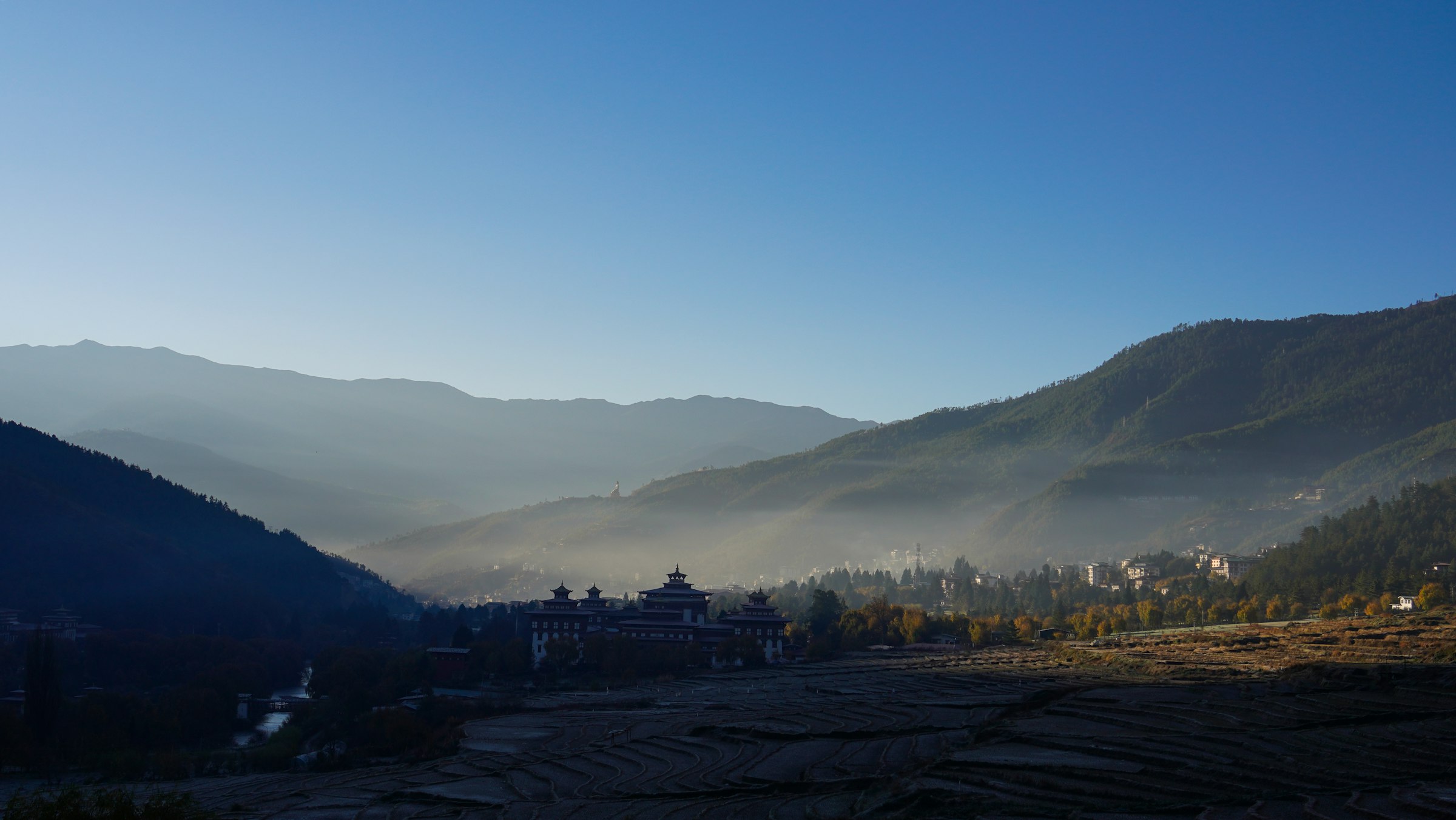
Bumthang lies in central Bhutan, east of Trongsa and over the Yotong La pass. It is not one valley but four: Chumey, the first you reach from the west, known for its weaving; Choekhor, the largest, often simply called Bumthang, with the town of Jakar; Tang, a quiet side valley to the east; and Ura, the highest, with a village of stone houses and cobbled lanes.
The valleys sit between about 2,600 and 4,000 metres, which makes Bumthang cooler than western Bhutan. Summers are mild and green, autumn is clear and golden, and winters are cold, with snow on the passes.
Jambay Lhakhang
Jambay Lhakhang is one of the oldest temples in Bhutan. Tradition says it was built in the seventh century by the Tibetan king Songtsen Gampo, as one of 108 temples raised in a single day to pin down a demoness who lay across the Himalaya. Its sister temple in western Bhutan is Kyichu Lhakhang in Paro.
In late autumn the temple hosts the Jambay Lhakhang Drup, a festival famous for its midnight fire blessing, when people run beneath a burning gate to be cleansed of misfortune.
Kurjey Lhakhang
A short walk from Jambay Lhakhang, Kurjey Lhakhang is one of the most sacred sites in Bhutan. Its name means 'body print', after the imprint Guru Rinpoche is said to have left in the rock of a cave where he meditated in the eighth century. Three temples stand against the cliff, the oldest built around the cave, and a wall of 108 chortens encloses the complex. Bhutanese people consider it one of the holiest places in the kingdom.
Tamshing Lhakhang
Across the river from Kurjey, reached by a suspension bridge and a walk through the fields, Tamshing Lhakhang was founded in 1501 by Pema Lingpa, the great 'treasure revealer' of Bhutan. Its paintings are among the oldest in the country. Visitors are invited to carry a heavy coat of chain mail, said to have been made by the saint himself, three times around the inner sanctum for good fortune.
Jakar Dzong
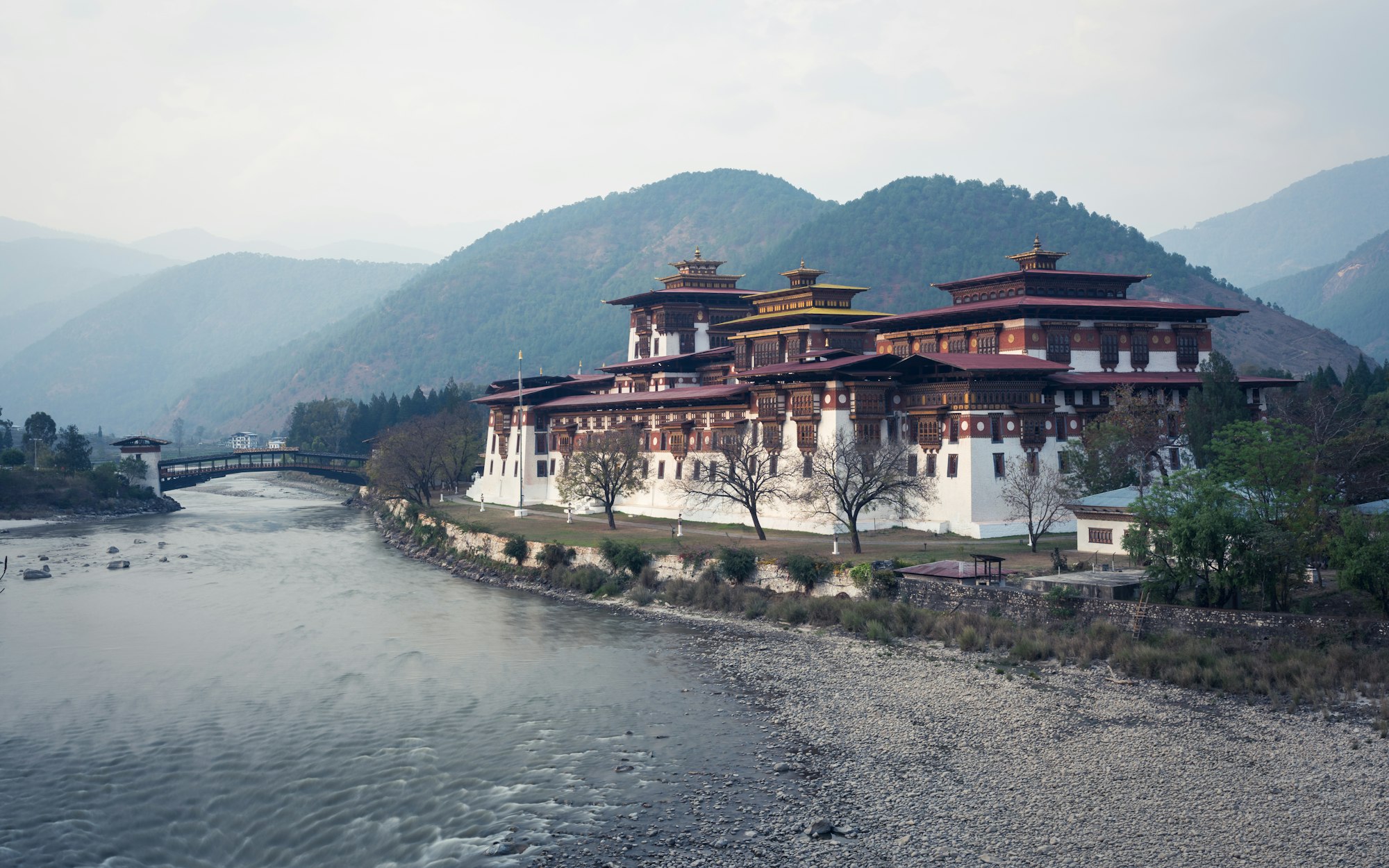
Jakar Dzong, the 'fortress of the white bird', stands on a ridge above Jakar town. Legend says the lamas searching for a site for the dzong saw a white bird settle on the hilltop and took it as a sign. The present building dates from 1667. Today it houses the district administration and a monastic community, and its courtyard hosts the Jakar Tshechu in autumn.
Mebar Tsho, the Burning Lake
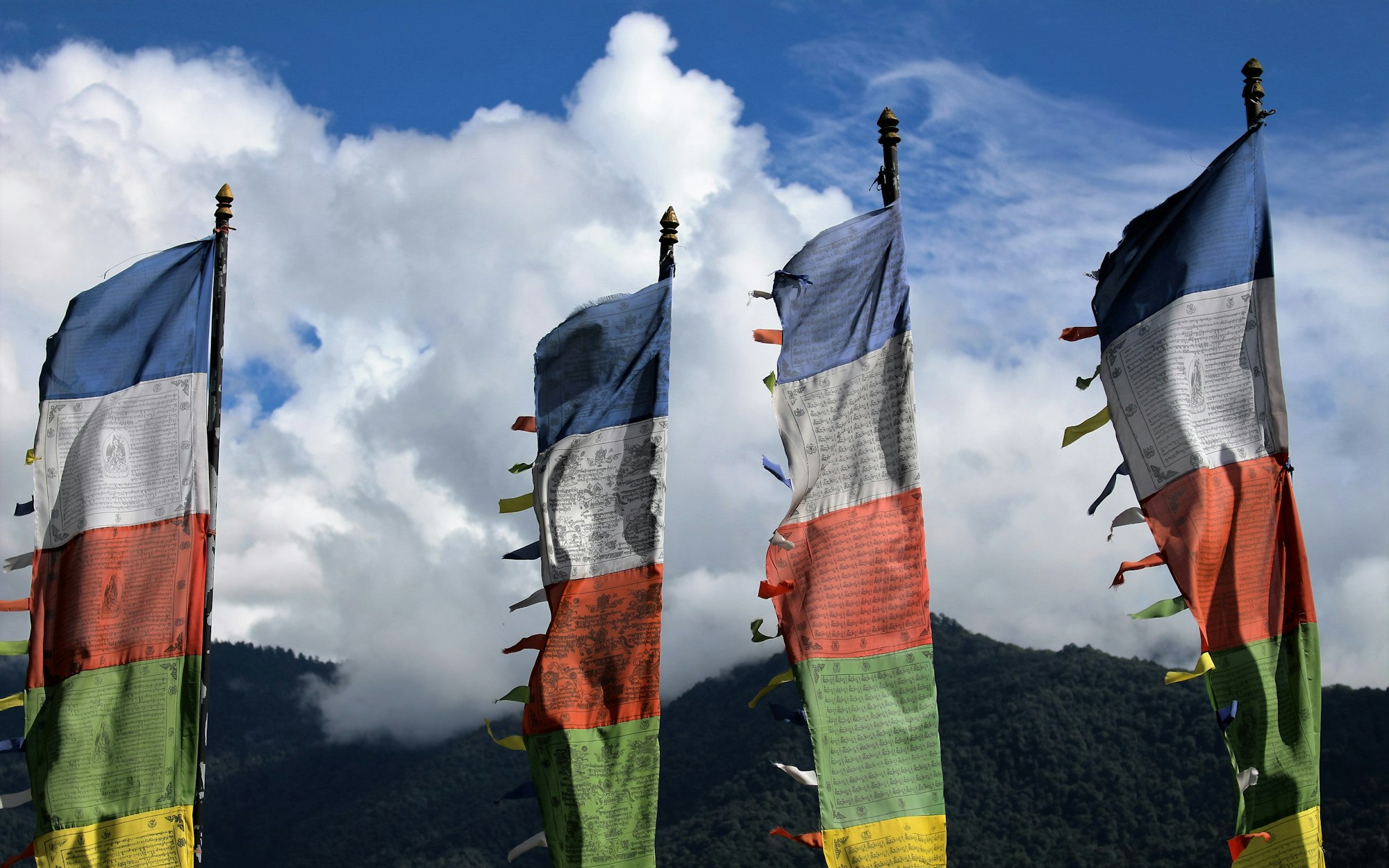
In the Tang valley the river narrows into a deep pool between rocks, overhung with prayer flags. This is Mebar Tsho, the Burning Lake. In the fifteenth century, the story goes, Pema Lingpa dived into the water holding a butter lamp to recover sacred texts hidden by Guru Rinpoche, and came back up with the treasure and the lamp still burning. Pilgrims leave butter lamps on the rocks, and it is a quiet, moving place to visit. Please take care on the rocks above the water.
Ura and the high valleys
The road east from Jakar climbs over the Shertang La to the Ura valley, where houses of stone and timber cluster around a temple and cobbled lanes. It is one of the most traditional villages in central Bhutan, and in spring it holds the Ura Yakchoe festival. The drive itself, through forests of fir and rhododendron, is one of the most beautiful in the country.
Food and crafts
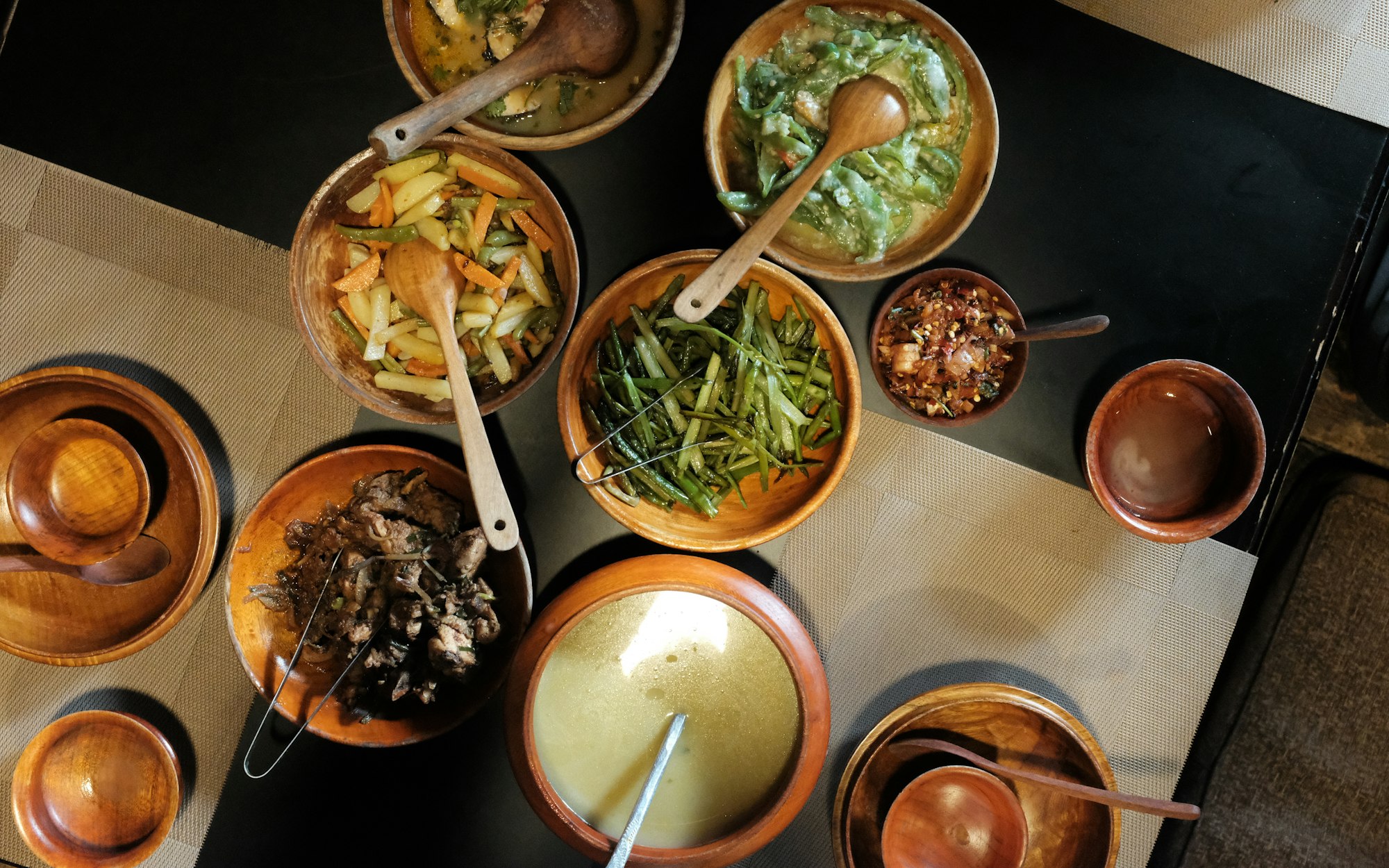
Bumthang is buckwheat country. Try puta, buckwheat noodles, and khuli, buckwheat pancakes, at a farmhouse. The valley is also known for its dairy and its Swiss-style cheese, a legacy of a Swiss farming project begun here in the late 1960s, and for honey, apple juice and locally brewed beer.
In the Chumey valley, look out for yathra, the woollen cloth woven in bright patterns on backstrap and pedal looms. It is made into blankets, jackets and bags, and you can watch it being woven in village workshops.
Festivals
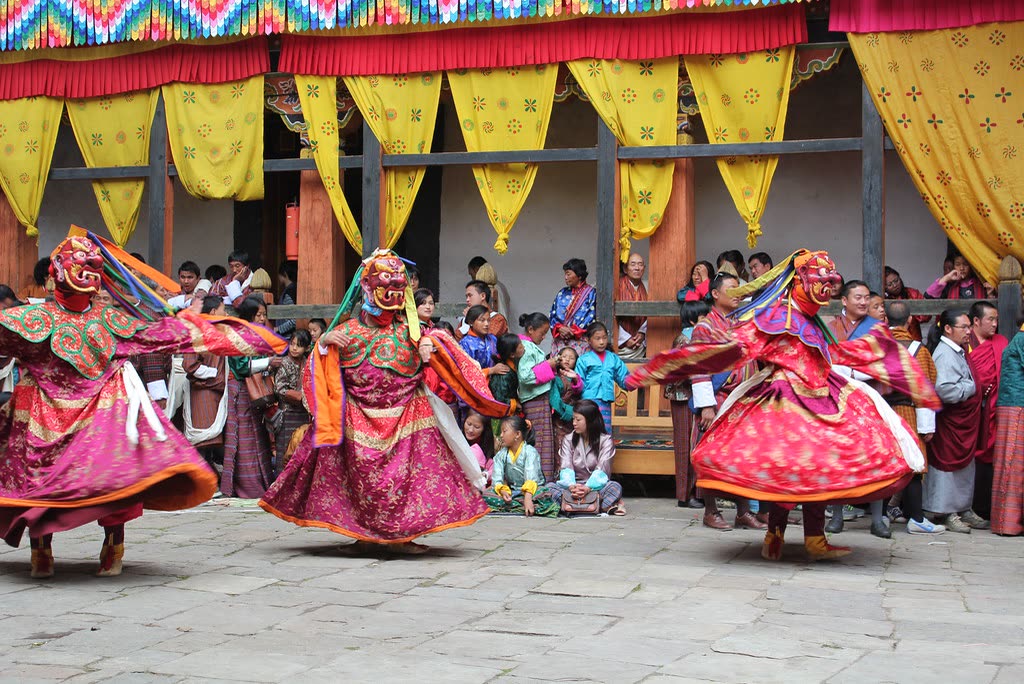
Bumthang's festivals are among the most atmospheric in Bhutan, because they are held in small temple courtyards rather than great dzongs. The Jakar Tshechu and the Jambay Lhakhang Drup fall in autumn, usually in October or November, and the Ura Yakchoe in spring. Dates follow the lunar calendar and change each year; we confirm them when you plan your journey.
A three-day plan for Bumthang
- Day 1: Arrive from Trongsa over the Yotong La, stopping in the Chumey valley to see yathra weaving; evening walk in Jakar.
- Day 2: The Choekhor valley on foot: Jambay Lhakhang, Kurjey Lhakhang, the suspension bridge to Tamshing Lhakhang, and Jakar Dzong in the late afternoon.
- Day 3: The Tang valley and Mebar Tsho, the Burning Lake, with a visit to a traditional manor or village and a farmhouse lunch of buckwheat dishes.
Trongsa and Chumey on the way
Most journeys reach Bumthang from the west through Trongsa, and it is worth slowing down. Trongsa Dzong is the largest dzong in Bhutan and the ancestral seat of the royal family, and the watchtower above it is now a museum of the monarchy. The road then climbs over the Yotong La, at around 3,400 metres, and drops into Chumey, the first of the Bumthang valleys, where roadside workshops sell yathra.
Where to stay
Jakar has comfortable family-run hotels and lodges, many in traditional buildings with wood-burning stoves, which are welcome on cold evenings. There are also farmhouse homestays in the surrounding villages and a small number of luxury lodges. Wherever you stay, evenings are quiet: Bumthang is a place for early nights and early starts.
Visiting sacred sites respectfully
- Dress modestly with long sleeves and long trousers or skirt for every temple visit.
- Walk clockwise around temples, chortens and prayer walls, and turn prayer wheels clockwise.
- Remove your shoes and hat where your guide asks, and do not touch statues or offerings.
- Photography is not permitted inside temples.
- A small offering of money at the altar is welcome but never expected.
Getting to Bumthang
By road, Bumthang is a two-day journey from Thimphu, usually broken in the Phobjikha valley or at Trongsa, crossing the Pele La and Yotong La passes. It is a long drive, but it takes you through some of the finest scenery in the country, and we plan it with stops for walks, temples and lunch.
Domestic flights connect Bathpalathang airport near Jakar with Paro when they are operating, taking around half an hour. Many of our guests drive in and fly out, which saves a long day on the return.
How long to stay
Two full days in Bumthang are enough to see Jambay, Kurjey, Tamshing, Jakar Dzong and Mebar Tsho at an easy pace. A third or fourth day lets you walk between villages, visit Ura, or join a festival. Our eleven-day Sacred Heartland journey spends three nights in the valley.
Frequently asked questions
Is Bumthang worth visiting?
Yes. Bumthang has some of the oldest and most sacred temples in Bhutan, beautiful wide valleys and far fewer visitors than the west. Many travellers say it was the highlight of their trip.
How do you get to Bumthang?
By road it is about two days from Thimphu via Trongsa. Domestic flights between Paro and Bathpalathang airport near Jakar take around 30 minutes when they are operating.
How many days do you need in Bumthang?
Two full days cover the main temples and the Burning Lake. Three or four days allow time for village walks, the Ura valley or a festival.
What is the Burning Lake in Bhutan?
Mebar Tsho, the Burning Lake, is a sacred pool in the Tang river in Bumthang where the saint Pema Lingpa is said to have recovered hidden treasures in the 15th century, emerging with his butter lamp still alight.

Written by
The Bhutan Travel Nexus team, Bhutan-based travel designers who plan private journeys across the kingdom. Facts were checked in ; fees and rules can change, so we confirm them when you book.